

Exploring the fascinating history of gambling through the ages
The Origins of Gambling
The history of gambling traces back thousands of years, deeply interwoven with human civilization. Evidence suggests that ancient cultures, including the Chinese and Egyptians, engaged in various forms of betting and games of chance. Dice, made from bone or ivory, were discovered in ancient Mesopotamia, dating back to around 3000 BCE. These early games were often linked to religious rituals, with participants believing that the outcomes were influenced by divine forces. Today, many people enjoy experiences like online casino games, echoing these ancient traditions.
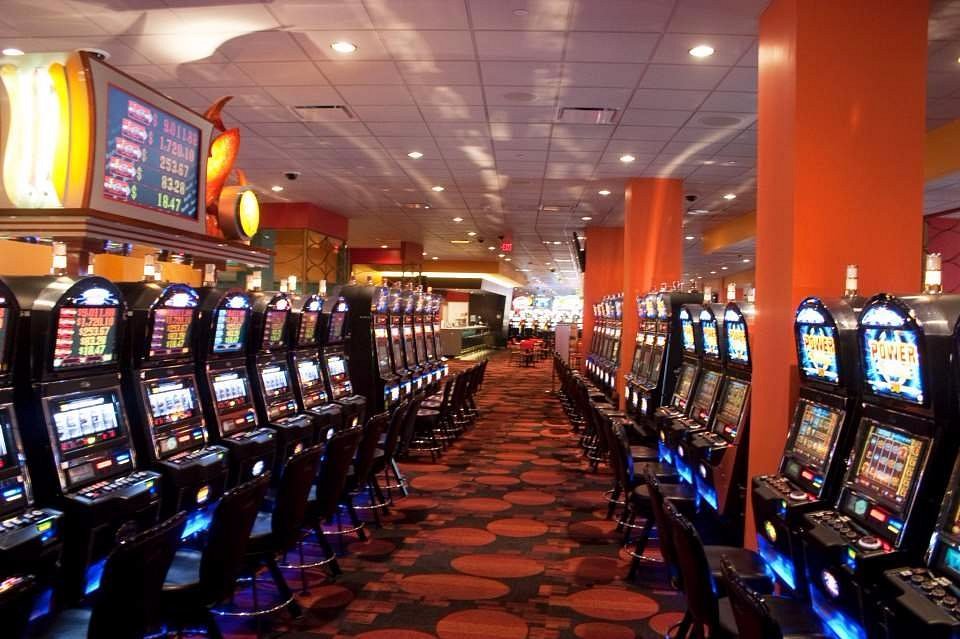
As societies evolved, so did gambling practices. The Greeks introduced betting on athletic competitions and theatrical events, while the Romans popularized games involving dice. These early forms of gambling established a foundation that would lead to more structured games, including the development of card games in the Middle Ages. Thus, gambling transitioned from a religious and cultural practice to a more recreational activity, setting the stage for its expansion in the centuries to come.
The Rise of Modern Casinos
The 17th century marked a significant turning point in the history of gambling with the establishment of formal gambling houses. The first official casino, known as the Ridotto, opened in Venice in 1638, providing a controlled environment for betting. This venue attracted the aristocracy, offering a mix of gambling and social interaction. The popularity of casinos spread across Europe, with Parisian establishments like the Casino de Paris emerging as premier destinations for the elite.
As the 19th century rolled in, gambling houses became more sophisticated, incorporating elaborate designs and luxurious amenities. This era also saw the birth of iconic games like roulette, which gained popularity in French casinos. The allure of these venues captured the imagination of the public, and gambling transformed into a widespread social phenomenon, reflecting changes in societal attitudes toward chance and luck.
The Evolution of Gambling Regulations
With the rise of gambling’s popularity came a growing concern about its potential for abuse. By the 20th century, many governments recognized the need for regulation to protect citizens and curb illegal gambling. This led to the establishment of laws governing gambling activities, ensuring fairness and transparency. In the United States, states like Nevada and New Jersey became pioneers in legalizing casinos, creating a regulated environment where individuals could gamble responsibly.
Internationally, regulatory bodies have emerged to oversee gambling operations, ensuring compliance with laws and ethical standards. This evolution of regulations has not only contributed to safer gambling environments but has also allowed for the promotion of responsible gaming practices. As a result, modern gambling is viewed more as a form of entertainment, supported by frameworks designed to protect players and promote fair play.
The Digital Gambling Revolution
The advent of the internet in the late 20th century revolutionized the gambling industry. Online casinos began to emerge in the 1990s, offering players the convenience of gambling from home. This shift democratized access to gambling, allowing individuals from all walks of life to participate. The explosion of digital platforms introduced new games, bonuses, and promotions that captivated a global audience.
Online gambling has continued to evolve, with advancements in technology leading to the development of mobile gaming and live dealer experiences. Despite concerns regarding security and addiction, the online gambling sector has become one of the fastest-growing industries worldwide. This digital transformation has reshaped how society views gambling, making it more accessible and integrated into everyday life.

Understanding Today’s Gambling Landscape
The current gambling landscape is a reflection of its rich history, blending tradition with innovation. Major cities worldwide boast renowned casinos, each with unique offerings and attractions. Las Vegas stands out as the epitome of modern gambling, featuring extravagant resorts and a vibrant nightlife. Other notable locations, such as Monte Carlo, Macau, and Atlantic City, also play pivotal roles in the global gambling scene.
In addition to physical casinos, online platforms continue to thrive, providing a diverse array of gaming options. The rise of esports betting and cryptocurrency gambling has further diversified the landscape, catering to a younger audience. As gambling practices evolve, it remains crucial to maintain a balance between enjoyment and responsible gaming, ensuring that history’s lessons guide the future of this age-old pastime.
